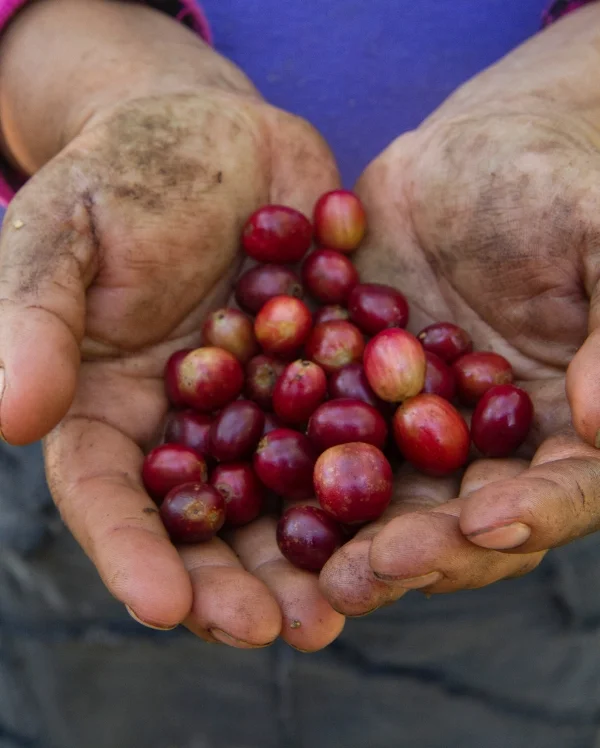
Saving Songbirds Starts with Your Morning Coffee

Saving Songbirds Starts with Your Morning Coffee

You can drink delicious premium-quality coffee that supports the conservation of birds like the Swainson's Thrush, Blackburnian Warbler, Black-and-white Warbler, Black-throated Blue Warbler, Blue-headed Vireo, and many others. 

Wildlife Habitat Design in A Wounded World

Wildlife Habitat Design in A Wounded World

In today’s blog, we’ll explore what “ecosystem health” really means, review the biggest stressors acting on our wildlife populations today, and then I’ll offer some simple things you can do right now to help restore health and ecological integrity to the ecosystem right outside your own back door – and the front door, too! 

“Intelligent Tinkering” - How to Boost Biodiversity at Home (Leopold’s Wise Words Part 2)

“Intelligent Tinkering” - How to Boost Biodiversity at Home  (Leopold’s Wise Words Part 2)

Armed with the right tools and knowledge, we can intelligently tinker to restore the health of our ecosystems and secure a more stable future for wildlife – from bees to bears, and everything in between.

Dead and Dying Trees are Key to Life

Dead and Dying Trees are Key to Life

Dead or partially dead standing trees (snags) and cavity trees (live or partially dead trees with cavities) are important to the life cycle and habitat needs of over 40 species of birds and mammals, and countless species of insects and fungi. 


A Top Threat to Biodiversity: Invasive Plants

A Top Threat to Biodiversity: Invasive Plants

Plants are the basis for terrestrial habitats that support our wildlife. To conserve wildlife, we must first conserve native plants. Non-native plants don't serve a functional ecological role in our landscapes and have minimal wildlife value, in general. In fact, invasive non-native plants negatively impact wildlife habitat in a variety of ways, some of which we are just now beginning to understand.

Beechnuts - Superfood for Bears & Other Wildlife

Beechnuts -  Superfood for Bears & Other Wildlife

Beechnuts have about twice as much protein and calories per edible portion as compared to acorns. That’s amazing, isn’t it?!   They really do pack a nutritional punch that can make a world of difference for wildlife as they go in to a harsh Maine winter.