
winter

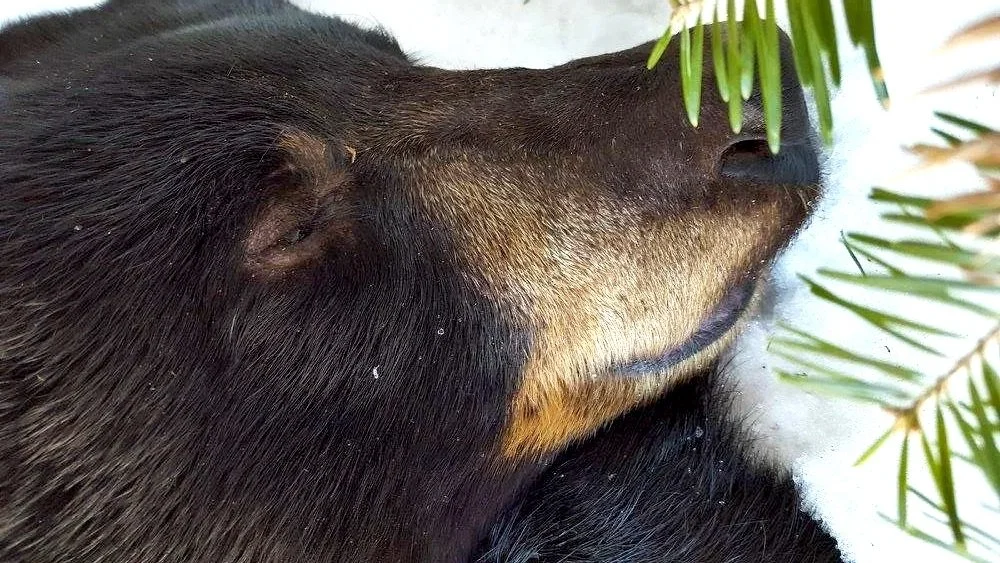
How do bears hibernate? Bears in Winter Part 2

How do bears hibernate? Bears in Winter Part 2

Bears undergo a specialized form of hibernation, unique to bears alone. These miraculous mammals do not eat, drink, urinate, or defecate for a period of many months. Through it all, they manage to maintain muscle mass, even though they remain in a sedentary state from roughly November to April. How do they do it?
The Golden-crowned Kinglet: A Royally Charming Winter Resident

The Golden-crowned Kinglet: A Royally Charming Winter Resident

If you spend any time walking in coniferous forests, you've no doubt wandered right under these busy little birds without knowing it. They feed high in the treetops and are so small and active that they are easily missed - unless you’re a seasoned birder and can recognize the noisy high-pitched calls of foraging flocks.

Subnivean Secrets

Subnivean Secrets

As we all know, winters in the North can be harsh. For some animals that don't migrate or hibernate, the subnivean zone is their key to survival.

But what if you are predator? How do you survive this period of scarcity and extreme weather? To solve this problem, some of our predators have adapted hunting strategies that allow them to detect the presence and precise movements of the subnivean dwellers.

Winterberry: The Gift that Keeps on Giving

Winterberry: The Gift that Keeps on Giving

It's "the most wonderful time of the year" to spot the scarlet-red berries of our native holly. After a snowstorm, Winterberry is like a decorative red ribbon on a beautifully wrapped package, just waiting to be opened.  When snow transforms the landscape into a winter wonderland, the bright red berries literally announce their place in the world - nature's Christmas ornaments! The berries of this shrub are like winter jewels for bluebirds, grosbeaks, waxwings, cardinals, robins, and other birds seeking much-needed nourishment throughout winter.